Undgå, at din forespørgsel er forsinket svar. Indtast venligst din WhatsApp/Skype sammen med beskeden, så vi kan kontakte dig allerførste gang.
We will reply you within 24 hours. If for urgent case, please add WhatsApp/WeChat: +8613791936882 ,. Or call +86-18678911083 directly.
Moving flowers and plants sounds simple—until shelves collapse, wheels jam, and staff waste hours in tight aisles. Costs rise fast when transport and storage are inefficient. A danish trolley fixes this by giving greenhouses and nurseries a durable, modular cart system that moves, stores, and displays plants safely.
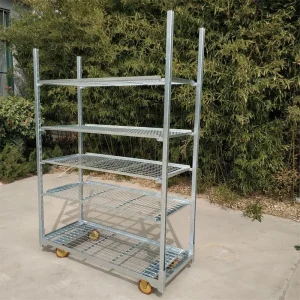
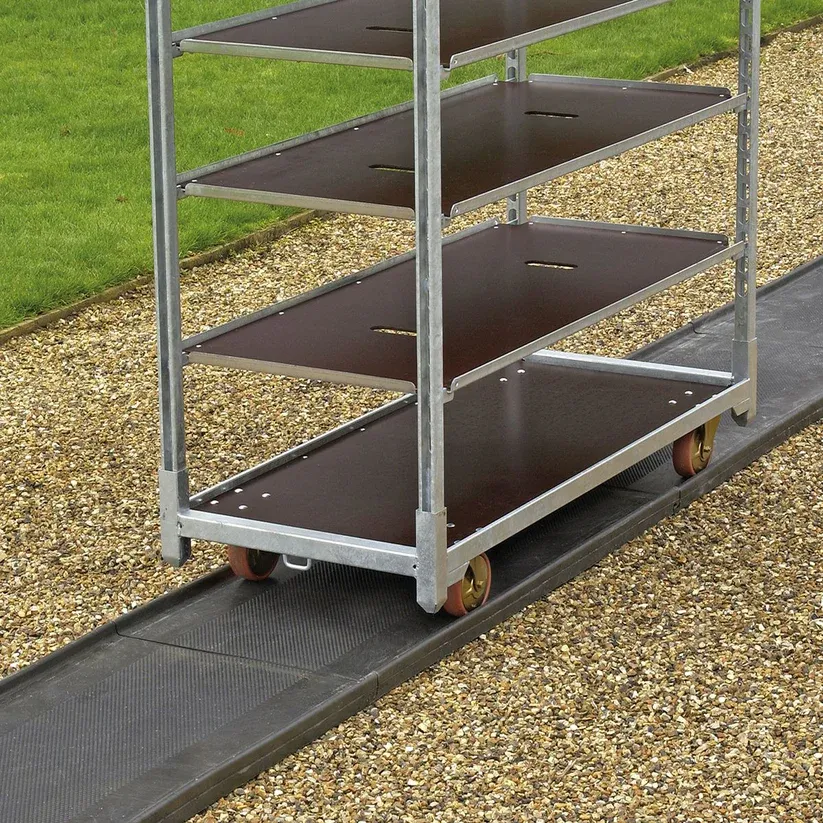
A danish trolley is a standardized, modular plant trolley (also called a dansk blomstervogn) with four uprights, removable shelves, and rolling wheels. It’s widely used in horticulture to transport, store, and display plants and flowers efficiently from greenhouse to warehouse, container shipping, and retail. Adjustable shelves, swivel castors, and galvanized frames make it durable, space-saving, and compatible with modern supply chains.
A danish trolley is not just another cart. In day-to-day horticulture, it’s a modular rolling rack designed to move planter og blomster through every step: growing, staging, shipping, and retail. Most systems use four upright posts, a set of shelves, and wheels that can manoeuvre through narrow greenhouse paths. That “rack-on-wheels” structure is why it became a standard tool across the industry.
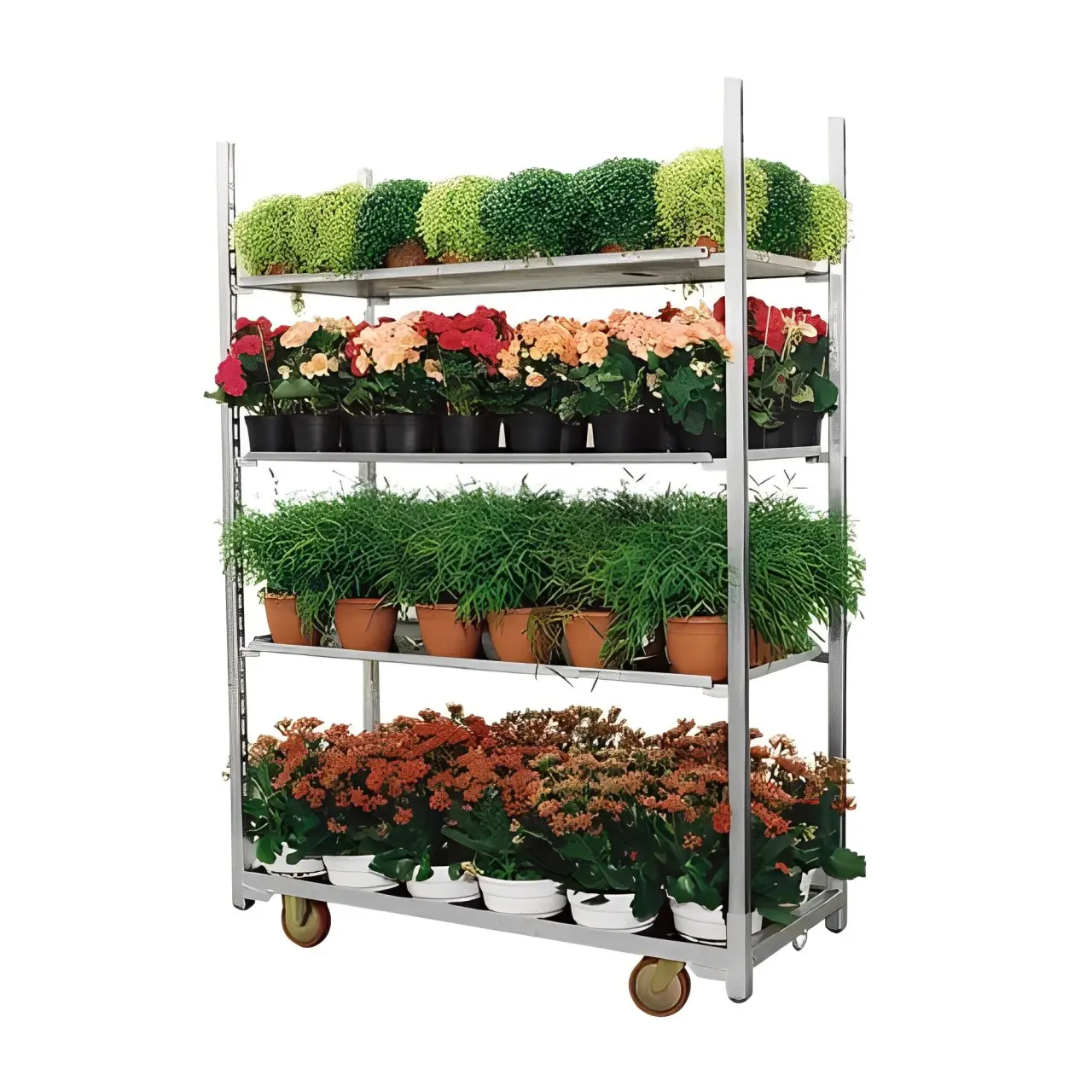
From my factory perspective, the key word buyers repeat is “predictable.” They want predictable size, predictable loading, predictable container planning, and predictable durability. That’s why the dansk trolley remains the go-to solution for transporting plant products at scale.
What you get in practice:
Many buyers start with a simple cart and learn the hard way: a basic cart moves “stuff,” but it doesn’t protect living products. A danish cart is built for repeat handling of quantities of plants—with shelves that support airflow, stability, and stacking logic.
| Topic | Generic Cart | Dansk Trolley |
|---|---|---|
| Transportere | Loose loading, shifting | Structured shelf loading |
| Opbevaring | Takes more floor space | Stackable components reduce footprint |
| Vise | Needs extra stands | Converts to display rack quickly |
| Aisle handling | Harder to turn | Designed to manoeuvre in tight paths |
| System fit | Not standardized | Works with CC/Dutch logistics sizes (Pålidelig dansk trolleyproducent) |
A big reason the dansk trolley performs better is the shelf system. When a plant sits on a stable shelf, you reduce tipping and leaf damage. When you can reconfigure shelves, you reduce wasted space.
In greenhouse and nursery operations, “one height fits all” is a myth. Trays, pots, seedlings, and tall flowers all demand different clearance.
That’s why justerbare hylder matter. With an adjustable system, you tune shelf height to the crop, not the other way around. It’s one of the simplest ways to reduce breakage and speed up handling.
Real-world impacts I see repeatedly:
A good danish trolley can support different heights by moving shelf hooks. For operations that change crops seasonally, that flexibility is pure cost control.
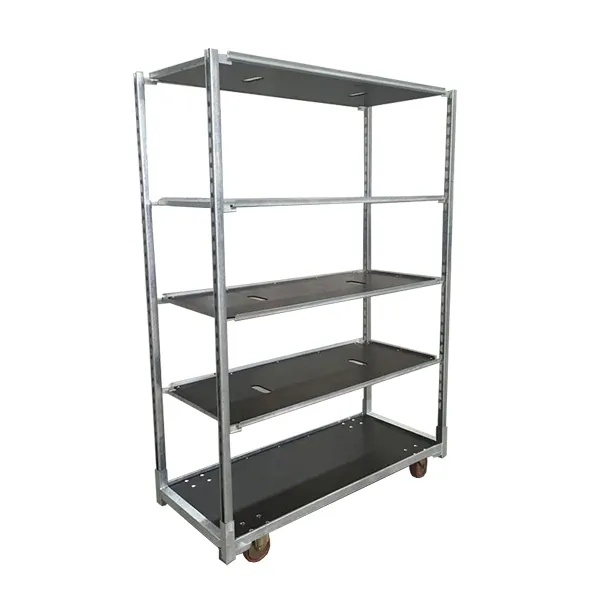
Wheels decide whether a trolley is smooth—or a daily headache. In practice, buyers want two things: easy steering and safe stopping.
Most systems use a mix of fixed and swivel wheels (often described as two directional + two universal). A proper wheel layout improves control and reduces aisle collisions.
Key wheel features to ask for:
If your operation pushes into cold rooms or wet loading docks, wheel material selection becomes important too (rubber/PU/PP/nylon options appear on product specs).
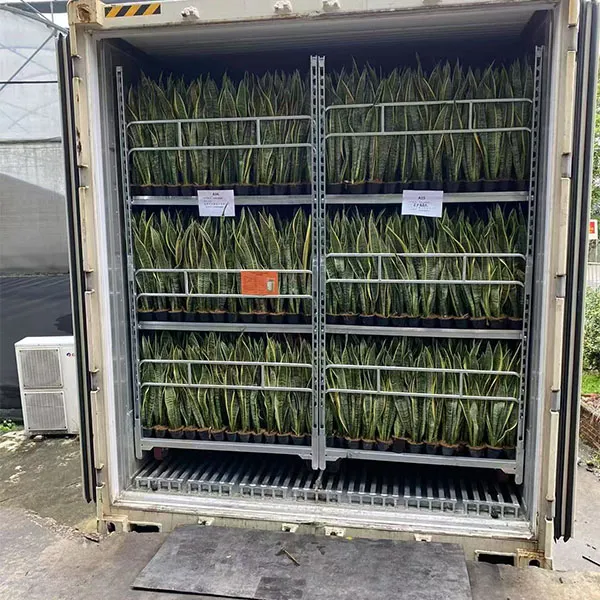
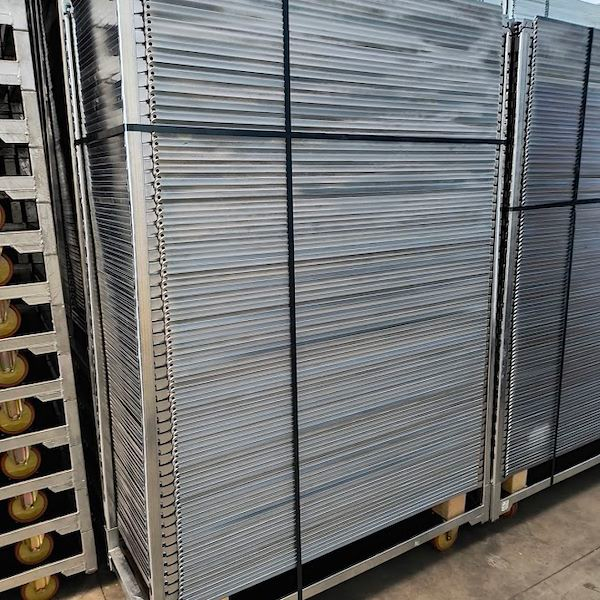
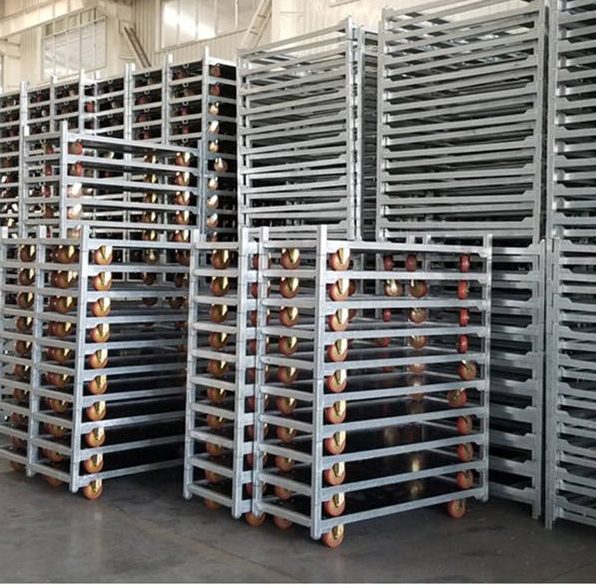
If you ship internationally, container planning is not optional—it’s profit. A danish trolley helps because it can be broken down: uprights, shelves, and bases can be separated and stacked. This makes the system stackable, reducing empty-volume waste.
For buyers with high sensitivity to integrated cost control, these details are not “nice to have.” They directly affect landed cost and delivery stability.
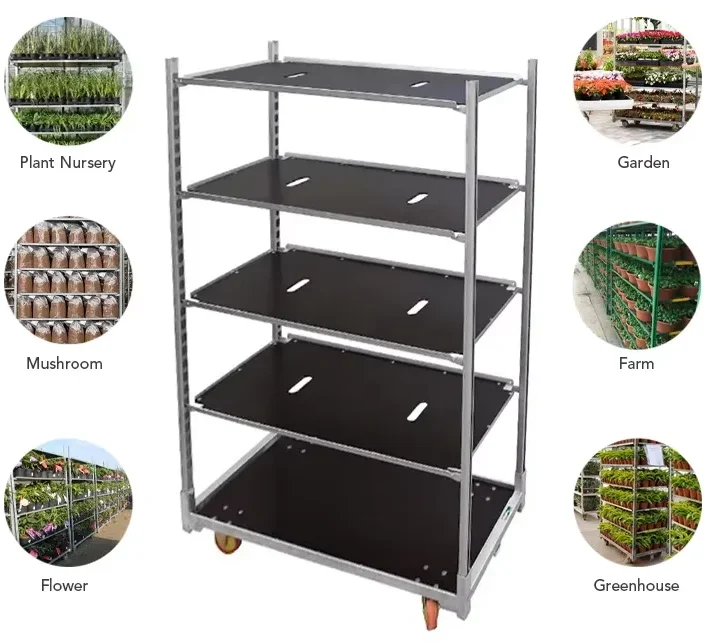
A danish trolley is widely used across the horticultural industry because it solves three problems at once: movement, organization, and presentation.
Typical application zones:
In garden retail, a flower trolley becomes a mobile shelf unit. Roll it from receiving to the floor. Refill by swapping shelves. Reduce lifting. Increase speed. That’s why garden centers love it—especially havecentre that run weekly promotions.
And yes, it’s also great for the garden supply chain beyond plants: soil, tools, pots, and seasonal merchandise.


 Danish
  English
  German
  French
  Dutch
Dutch  Spanish
  Norwegian
  Hungarian
  Turkish