Sorularınızın gecikmeli yanıtlanmasını önlemek için lütfen mesajınıza WhatsApp/Skype adresinizi de ekleyin, böylece sizinle ilk anda iletişime geçebiliriz.
We will reply you within 24 hours. If for urgent case, please add WhatsApp/WeChat: +8613791936882 ,. Or call +86-18678911083 directly.
Moving plants by hand wastes time, breaks stems, and slows every order. When carts do not fit your space, the cost grows quietly. A custom OEM/ODM flower trolley gives your team a stronger, cleaner, and faster way to move, store, and display plants.
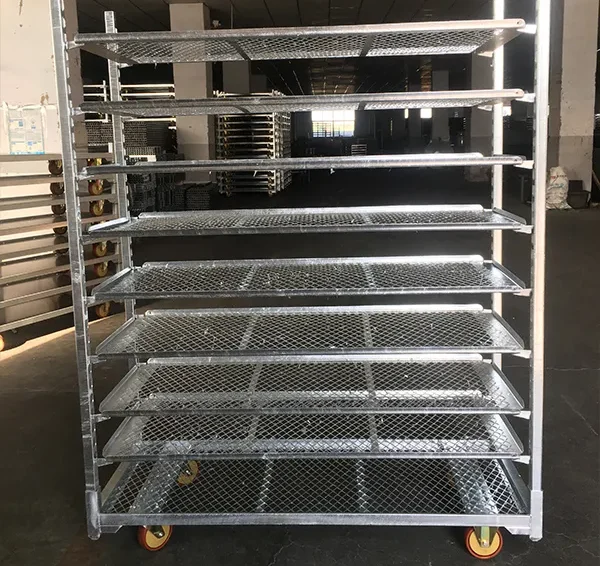
Bir OEM/ODM flower trolley is a customizable rolling cart used for greenhouse, nursery, garden center, warehouse, and flower display work. It usually has a steel frame, adjustable shelves, smooth wheels, and optional mesh, plywood, or metal trays. A capable supplier can tailor size, load capacity, finish, logo, and packaging for bulk buyers.
A greenhouse or nursery does not only need a simple trolley. It needs a working system. Plants move from growing areas to grading zones, packing areas, trucks, and sales displays. Each move adds labor, risk, and time. A strong flower trolley helps reduce these small losses before they become large costs.
As a manufacturing plant, we look at the full journey of the cart. Will it fit the aisle? Will the shelves hold mixed plant sizes? Can workers push it safely when fully loaded? Will it survive wet floors, fertilizer, and daily transport? These questions matter more than a low unit price.
For B2B buyers, the right flower cart supports service life, delivery stability, custom compatibility, and integrated cost control. That is why many greenhouse growers, nursery operators, garden center chains, farms, logistics warehouses, and municipal greening teams choose factory-direct customized carts instead of one-size-fits-all products.
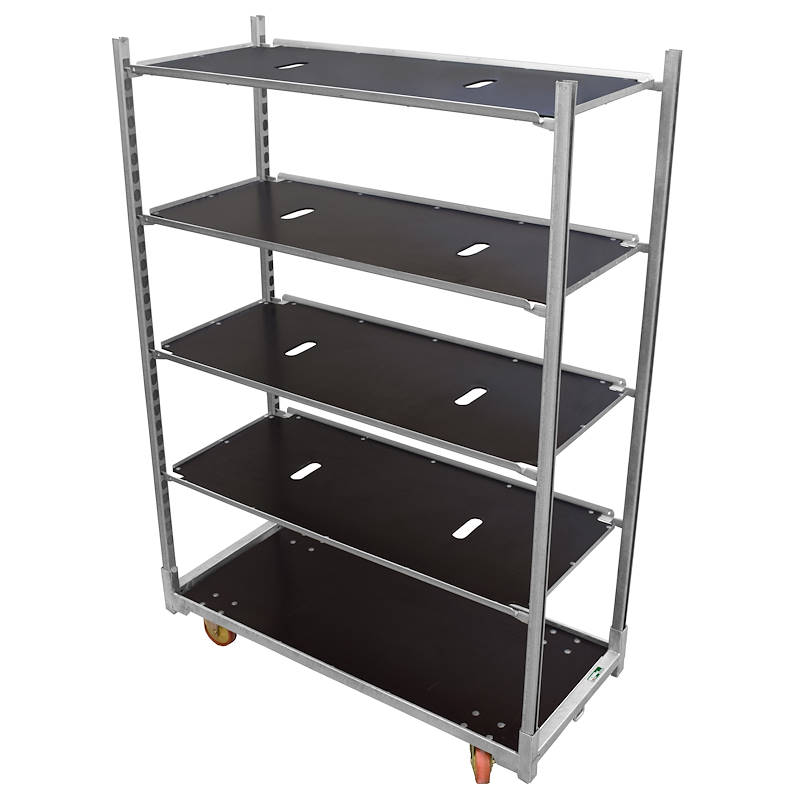
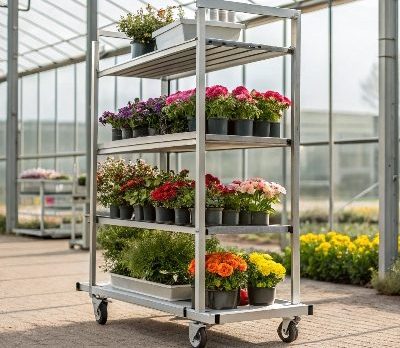
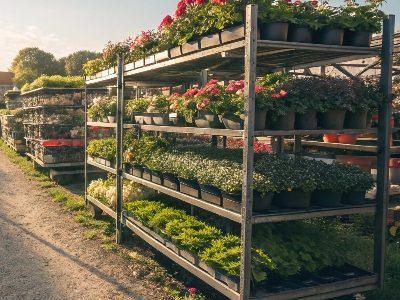
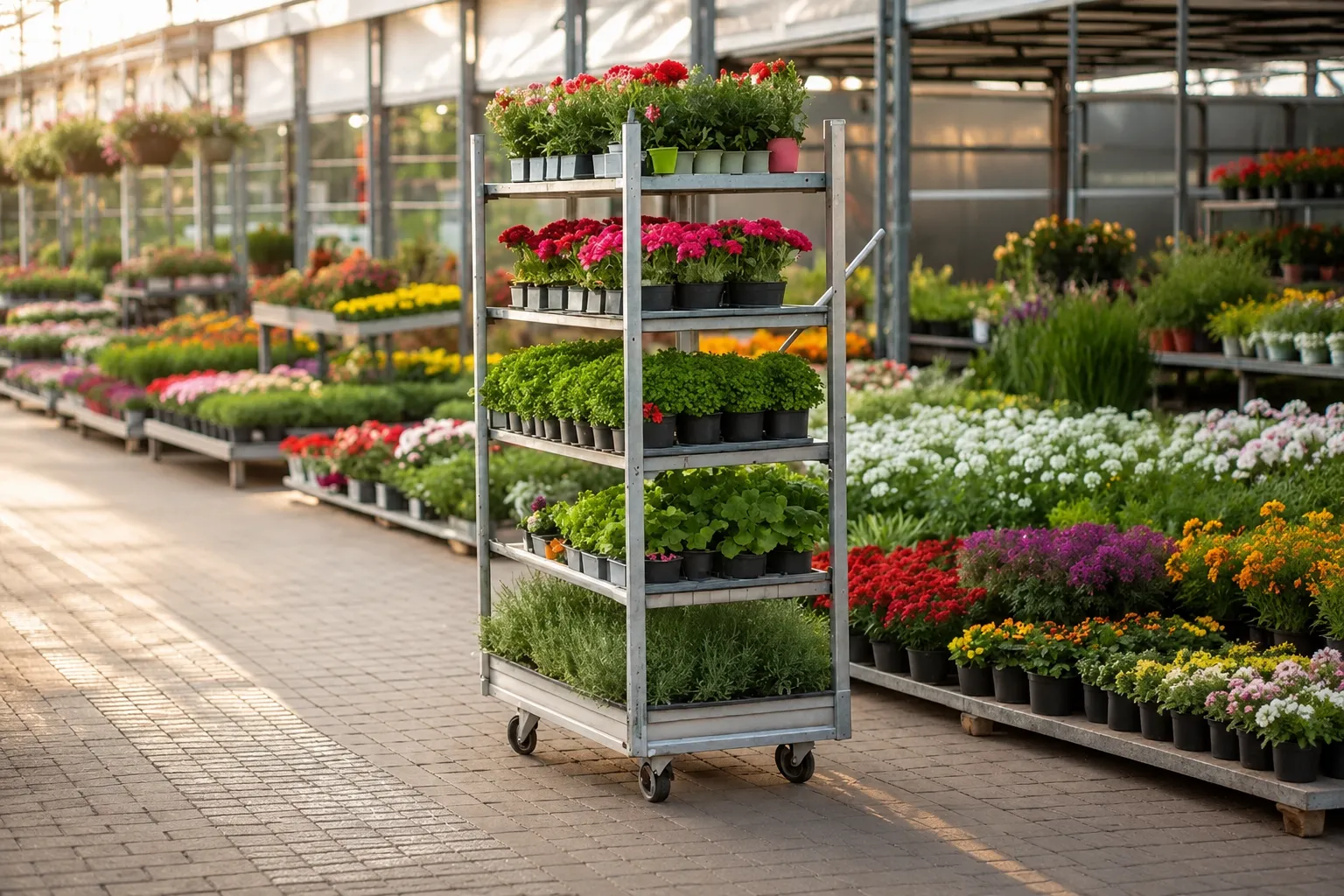
A danish flower trolley is built for repeated movement, layered storage, and flexible display. Compared with a common cart, it often uses upright posts, adjustable shelves, strong base frames, and smooth wheels. This makes it useful for transportation and retail presentation at the same time.
The key benefit is flexibility. You can move short bedding plants, taller potted plants, trays, or mixed flowers and plants by changing shelf height. This is helpful for growers who handle different varieties in one season. It also helps retailers improve flower display without buying separate display racks.
Some buyers also search for dutch flower carts or Dutch systems. In many markets, the terms danish, dutch, and CC-style carts may overlap in daily use. The important point is not the name alone. The real value comes from fit, load, finish, wheel quality, and long-term supply support.
A flower trolley works in tough places. Greenhouses are humid. Markets are busy. Warehouses may have uneven floors. If the finish is weak, rust appears. If the frame is light, it bends. If the wheels are poor, workers feel the problem every day.
A good supplier should offer surface treatment choices such as zinc, hot-dip finish, powder coating, or other anti-rust options. In production, we can galvanize steel parts before final assembly to improve resistance in wet environments. This supports durability and lowers replacement costs.
Wheel choice also matters. PP, nylon, rubber, PU, and TPR wheels all serve different floor conditions. For better movement, many buyers choose two fixed wheels and two swivel wheels. Brake options can help on slopes, ramps, or busy loading areas.
A flower trolley cart is not limited to growing areas. It can support many B2B scenes where plants, pots, cartons, or light goods need clean and safe movement. The same structure can serve different industries with small design changes.
Common applications include:
A garden center may care more about appearance and flower display. A logistics warehouse may care more about stackability and wheel life. A farm may want a sturdy structure that can move over rougher ground. The same base design can be adjusted for each buyer.
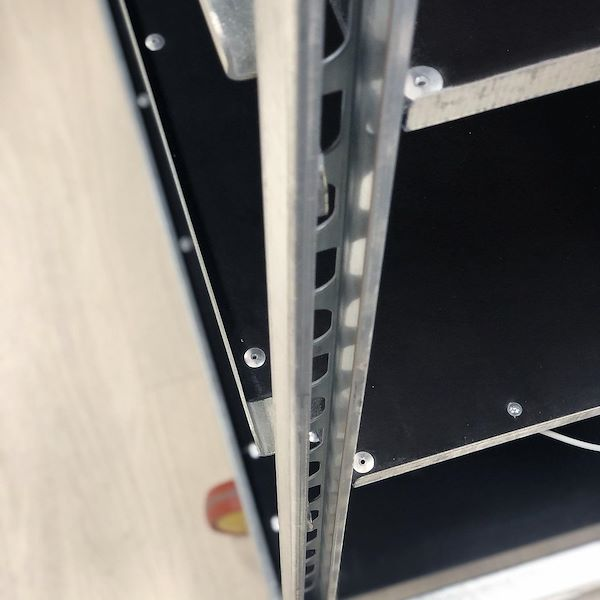
Plant sizes change by product, season, and market. Small bedding plants need close spacing. Tall potted plants need more vertical room. Cut flowers may need water-friendly design. Mixed retail goods need a cleaner look.
With customization, the factory can tailor shelf height, side frames, handles, wheel type, color, and logo. This helps buyers build a standard cart program across different branches or farms. It also makes inventory easier to manage.
For displaying flowers, some buyers add price tags, sign plates, safety belts, or protective packaging. For moving plants, others focus on stronger base frames and larger wheels. One design does not fit all. A good flower trolley factory should help you choose before production begins.
A reliable supplier of flower trolleys should do more than sell products. It should understand your use case, confirm drawings, build samples, test loads, and support stable delivery. This is especially important for distributors, chain stores, large growers, and project buyers.
At CNFS/Fangsheng, buyers can explore related product and category pages such as OEM plant and nursery transport cart solutions, custom flower trolleys for nurseries and greenhouses, Ve Danish trolleys for plant transport. These pages help buyers compare product directions before sending exact requirements.
You should also check whether the factory has a clear production process, quality control, and export packing method. If a supplier cannot explain wheel options, shelf strength, surface treatment, and packaging, the order risk is higher.
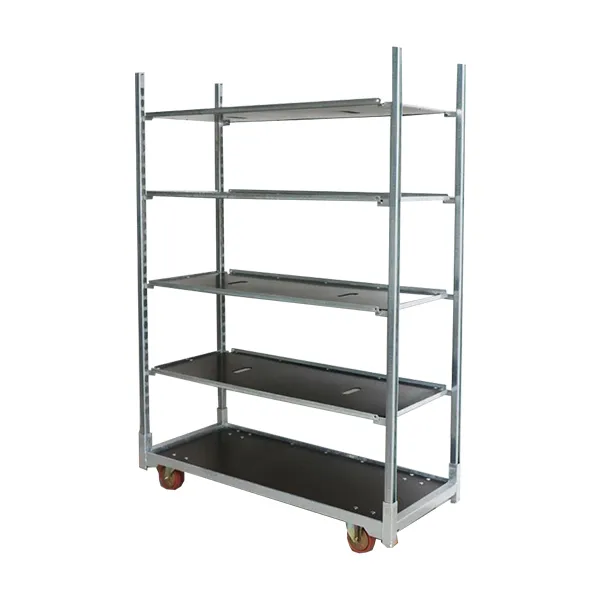
For B2B buyers, quality control is not a slogan. It is a daily process. Raw material checks, welding checks, dimension checks, surface inspection, wheel testing, load testing, and packing checks all reduce risk. Strong qc helps keep every batch close to the approved sample.
A strong factory should use strict quality control measures from raw material to final shipment. This protects buyers from uneven frame quality, poor coating, bad wheels, and wrong dimensions. It also supports regulatory and certification compliance in export markets.
When choosing quality products, ask for clear documents, photos, videos, sample approval, and inspection standards. A high-quality flower cart is easier to sell, easier to service, and better for long-term brand trust.
If you are still comparing designs, the best next step is to match your work scene with the right product family. A greenhouse buyer may start with trolleys. A retail buyer may compare carts. A logistics buyer may also need rack systems.
Useful internal pages include:
These links help procurement teams move from “we need carts” to a clearer purchase plan. That plan may include size, finish, wheels, packing, and after-sales support.
A good quote starts with clear information. You do not need perfect drawings at first, but you should share your use scene, product size, load needs, and market requirements. Photos of your current cart or working area are also helpful.
When you contact a supplier, prepare:
This helps the factory suggest the right structure, not just a random model. For large orders, sample testing is a smart step before mass production.
A flower trolley is often used for floral products, potted plants, and retail display. A plant trolley is a broader term that can include nursery, greenhouse, warehouse, and garden center carts. In practice, many buyers use both terms for similar rolling plant transport systems.
Yes. A capable OEM/ODM supplier can customize size, shelf quantity, shelf material, wheel type, color, coating, logo, and packing. This is useful when your greenhouse, nursery, or retail space has special aisle widths or plant heights.
Wire mesh and metal sheet are common for greenhouse use because they handle moisture better and are easy to clean. Plywood can also work well when you need a flat display surface for potted products.
In some markets, buyers use Dutch trolley, Danish trolley, and CC-style cart terms in similar ways. Exact structure and dimensions may differ by region or system. Always confirm size, post style, shelf type, and wheel details before ordering.
Flower packaging can be planned together with cart size. Safety belts, wrap, labels, and protective covers can help protect products during movement. For export or long-distance transport, packaging should match both the cart structure and the shipping method.
Send your target size, quantity, load capacity, shelf type, wheel type, surface finish, logo request, delivery country, and photos if available. This allows the factory to suggest the right design and avoid wrong pricing.


 Turkish
  English
  German
  French
  Dutch
Dutch  Spanish
  Danish
  Norwegian
  Hungarian