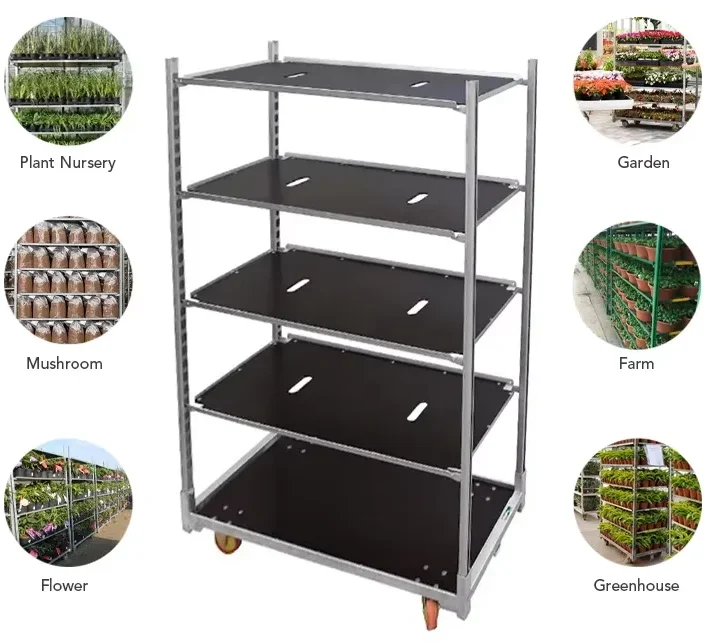
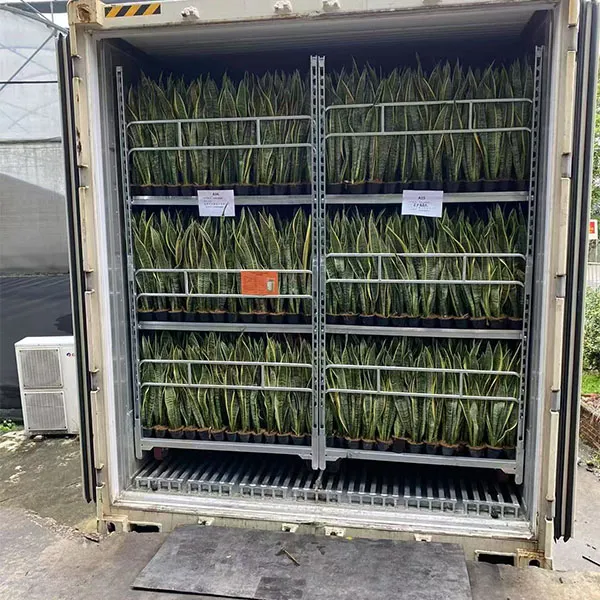
Um eine verspätete Beantwortung Ihrer Anfrage zu vermeiden, geben Sie bitte zusammen mit der Nachricht Ihre WhatsApp-/Skype-Adresse an, damit wir Sie umgehend kontaktieren können.
We will reply you within 24 hours. If for urgent case, please add WhatsApp/WeChat: +8613791936882 ,. Or call +86-18678911083 directly.
Plants look beautiful until you need to move them. Then the real problems start: scratched floors, broken pots, slow labor, and heavy lifting. A reliable plant trolley solves that fast by turning a static planter into a smooth, safe, mobile unit.
Plant trolleys are wheeled bases designed to carry a pot, planter, or flower pot safely across indoor and outdoor spaces. A good rolling plant stand oder plant stand with wheels helps move large plants, protects floors, improves cleaning access, and reduces labor in greenhouses, nurseries, garden centers, warehouses, and homes.
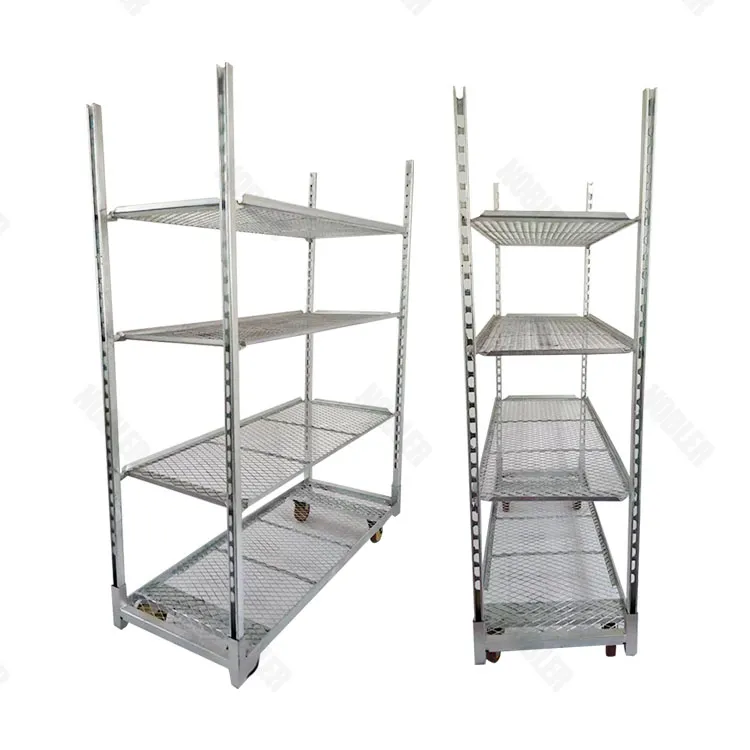
As a manufacturer of Danish trolleys and garden carts, we look at plant movement from a practical angle. Buyers do not just want a pretty base under a planter. They want a product that rolls well, lasts long, supports heavy loads, and fits real working spaces. That is especially true for greenhouse growers, nursery operators, municipal greening teams, logistics warehouses, and landscape contractors. They care about uptime, safety, cost control, and dependable supply.
This is why the best plant trolley is not only a retail accessory. It is a handling tool. It helps you move one plant or hundreds. It supports daily work, store display, cleaning, watering, and layout changes. In short, it turns plant handling into a simpler process.
A plant trolley is a mobile base made to carry a plant pot, planter, or other container on wheels. At first glance, it looks simple. But in real use, it does much more than a normal stand. It helps move heavy planters without lifting, gives better access for cleaning, and protects surfaces from water marks and scratches.
Many buyers also call it a plant caddie, plant caddy with wheels, plant dolly, or pot trolley. The names vary, but the purpose stays the same: safe movement. In homes, that means moving a large flower pot toward sunlight or away from cold drafts. In commercial spaces, it means fast repositioning of display stock, crops, or seasonal products.
A good trolley also supports flexibility. You may need to shift a plant from a sales zone to a loading area, from indoor outdoor display to covered storage, or from one greenhouse row to another. That is why a rolling plant stand is not just decorative. It is a working tool built for movement.
Plants are rarely fixed forever. Light changes. Weather changes. Store layouts change. Cleaning schedules change. That is why a rolling plant stand with wheels is useful in both home and commercial settings. It lets you reposition plants quickly without lifting or dragging.
For indoor and outdoor movement, wheels make a big difference. Inside, they protect wood, tile, stone, and polished floors. Outside, they help move an outdoor plant across patios, decks, garden paths, and greenhouse aisles. This matters even more for indoor outdoor large containers that become too heavy once watered.
Ein zuverlässiger plant stand with wheels also improves plant care. You can rotate a planter for even sunlight, pull it out for watering, trim around it, or clean underneath it. In busy spaces, that saves time every week. For stores and showrooms
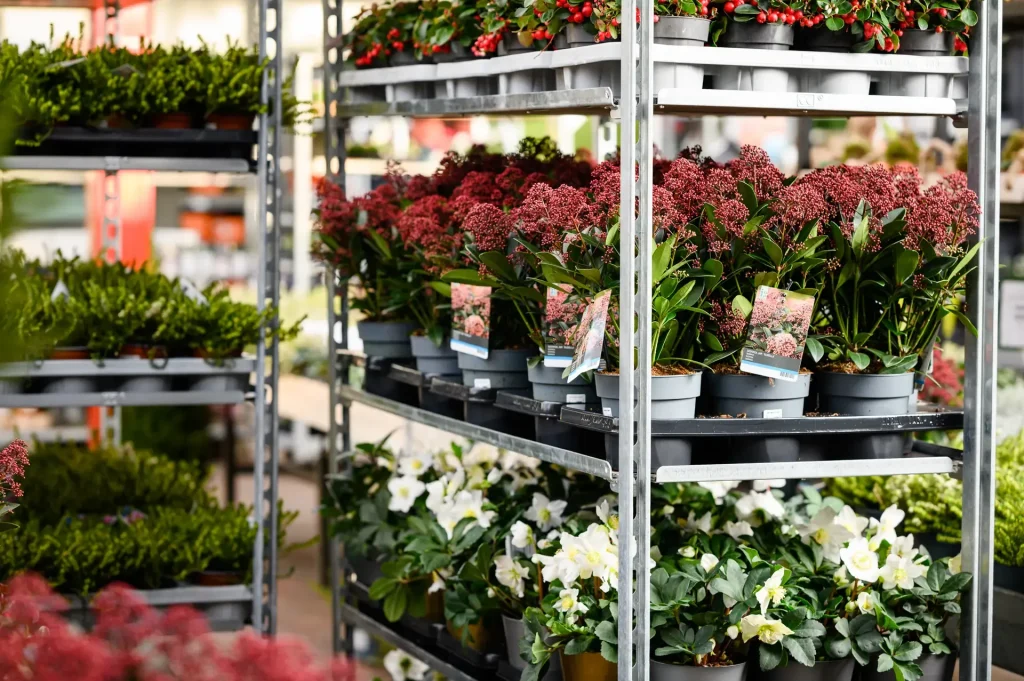
Wheels create movement. Locks create control. Both are necessary. A trolley that rolls too freely can become unsafe, especially on hard surfaces, ramps, or busy retail floors. That is why lockable wheels matter.
A better system may include caddy with lockable function, caddy with lockable wheels, or a plant caddy with lockable caster setup. Some models use two locking wheels, while others use four for full hold. Buyers also search for caddy with lockable caster wheels or metal 360° lockable caster wheels because they want easy movement plus safe parking.
For commercial buyers, this is not a small detail. A locked Wagen is safer during display, watering, and transport staging. It stops a planter from drifting, especially with large potted plants or uneven ground. A plant stand with casters and lock system gives both mobility and stability.
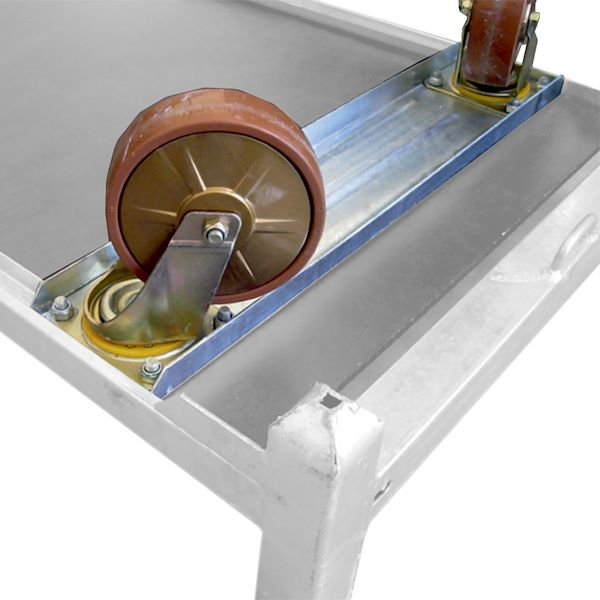
A plant caddie may look simple, but choosing the wrong one leads to complaints, returns, and damage. Buyers should compare actual working details, not just photos.
Start with load and size. Is the product for small home use, or for heavy duty plant applications? Will it hold a small decorative planter or large plant pots with wet soil? Then check wheels. A plant caddy with wheels 12in or inch plant caddy with wheels style may suit compact pots, but it may not fit larger bases.
Then look at structure and finish. Ask what the plant caddy is made from. Steel, iron, solid wood, and engineered board behave differently. Also check whether the trolley is better for outdoor use, indoor and outdoor use, or mainly indoor spaces.
A Pflanzenroller focuses more on movement and load support, while a plant stand with wheels may also emphasize display appearance. In many cases, the terms overlap.
Yes, if you choose a heavy duty plant stand, heavy duty plant caddy, or other reinforced model with the right load rating and wheel quality.
Yes. Many are made for indoor outdoor placement, but you should still check wheel material, coating, and whether the product is suitable for outdoor use.
Yes. They improve safety, help stop unwanted movement, and make it easier to manage watering, cleaning, and display changes.
Use round bases for round pots and a square or rectangular trolley for square planters and heavier architectural containers.
Yes. A metal plant caddy suits commercial and wet environments well, while a wood plant or wooden style base often fits indoor decorative use better.


 German
  English
  French
  Dutch
Dutch  Spanish
  Danish
  Norwegian
  Hungarian
  Turkish