Kerülje el a késedelmes válaszadást, kérjük, írja be WhatsApp/Skype-ját az üzenettel együtt, hogy az első alkalommal fel tudjuk venni Önnel a kapcsolatot.
We will reply you within 24 hours. If for urgent case, please add WhatsApp/WeChat: +8613791936882 ,. Or call +86-18678911083 directly.
Too many growers still lose time moving plants by hand, repacking carts, and wasting floor space. That raises labor costs, increases damage risk, and slows delivery. A custom danish trolley solves this with one modular, mobile, multi-shelf trolley system for growing, storage, transport, and display.
A custom Danish trolley for horticulture is a modular rolling trolley built for greenhouse, nursery, and retail use. It usually includes a steel base, four upright posts, wheels, and adjustable shelves, so growers can move, store, and display plants and flowers more efficiently while reducing handling and improving space use.
A danish trolley is a standardized rolling rack system used across the horticulture industry to move and display flowers, trays, and potted plants. CNFS Group describes it as a modular rack with four posts, shelves, and swivel castors that can move through tight aisles, trucks, and retail spaces. The company also presents it as a core product line made for global export buyers.
In simple terms, this trolley is more than a cart. It is a working platform for the full plant journey. A crop can start in a greenhouse, move through internal handling, enter the supply chain, and arrive at a garden center on the same danish system. That is why many growers call it an ideal solution for efficient and low-touch plant logistics.
You can also think of it as the logistics “language” of flowers and plants. CNFS Group’s guide explains that the standardized footprint and shelf system help the trolley nest, stack, and fit transport patterns well, while CC systems in Europe are built around similar ideas for reusable plant transport.
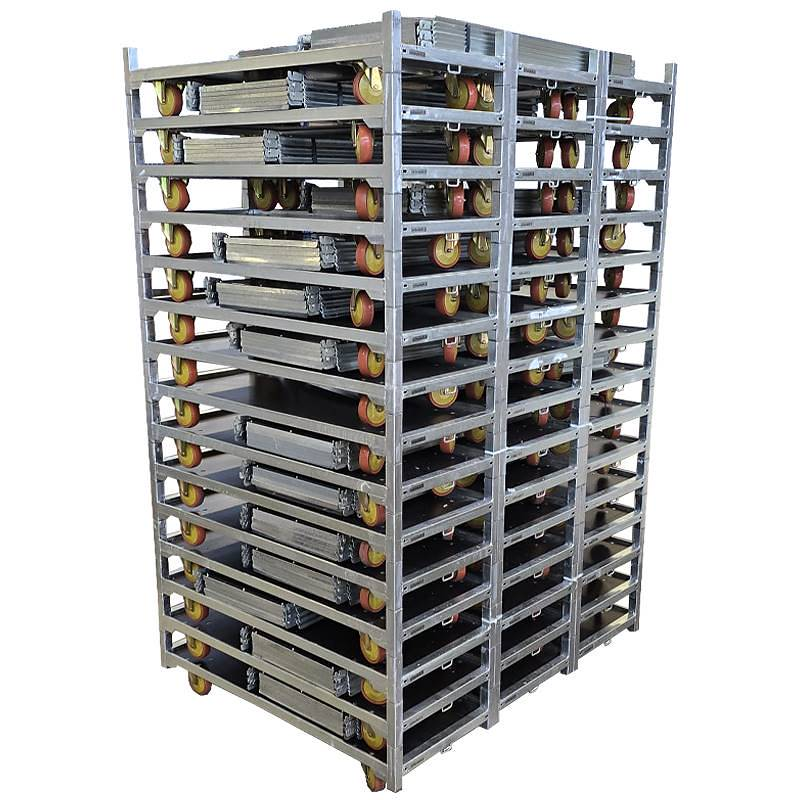
The answer is simple. Trolleys for horticulture save labor, protect crops, and make every square meter work harder. CNFS Group notes that the system helps improve space efficiency, reduce damage to flowers and plants, and support fast movement from propagation to retail display.
For a commercial nursery or grower, that matters every day. When staff can move one loaded trolley instead of many trays or pots, the whole process gets faster. It helps streamline loading and unloading, reduce unnecessary touches, and support efficient plant transport from production to sales floor. That is one reason trolleys are essential in modern floriculture and the wider horticulture industry.
There is also a retail benefit. A danish flower trolley is not only for back-end logistics. It can also work as a mobile display unit.CC containers are suitable for transport and shop display, while CNFS Group highlights the same role for greenhouse, nursery, and garden retail environments.
A standard cart can move products. A egyedi dán kocsi can fit your exact workflow. That is the difference. CNFS Group positions itself as a custom manufacturer that can produce different shelf types, finishes, and configurations for buyer needs, including plywood, plastic sheet, pull-net, and metal sheet versions.
A custom trolley can be built around your crop type, aisle width, shipping pattern, or display goal. Some buyers want a plant trolley for propagation rooms. Others need a flower trolley for fast retail turnover. Some prefer wire mesh or metal shelving for airflow. Others want shelf surfaces that better support trays, sleeves, or small plant pot formats. CNFS Group’s product pages show this kind of flexibility clearly.
That is why a horticultural danish trolley works so well for B2B buyers. It is modular, detachable, and easier to tailor. A serious supplier can help you choose the shelf count, finish, wheel material, and structure that best suit your needs.
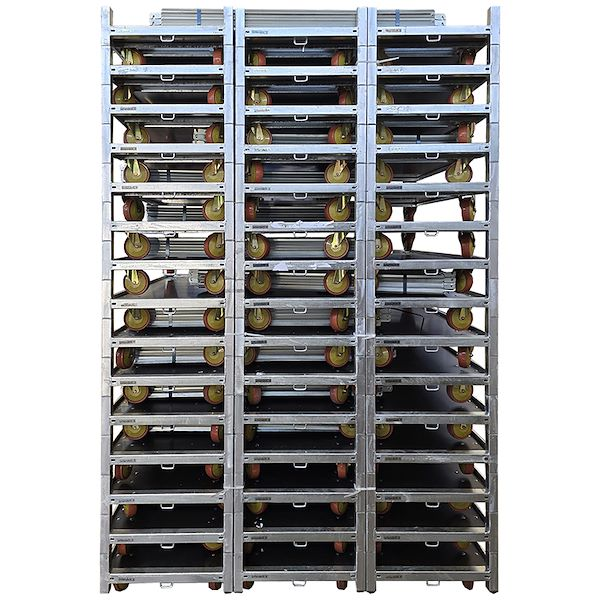
Material choice affects durability, cost, and how the trolley performs in wet or humid workspaces. CNFS Group highlights high-strength steel structures and offers electric galvanized or hot-dip galvanized finishes for horticultural trolley products. It also lists different shelf materials, including mesh and other platform styles.
For many export buyers, galvanized steel is the safest starting point. It helps resist moisture and corrosion in a greenhouse garden, nursery, or outdoor holding area. A frame made from galvanized steel is often preferred when carts stay in damp spaces or move frequently between indoor and outdoor zones. CNFS Group specifically promotes anti-corrosion finishes for long-term use in humid horticultural settings.
Some buyers also compare mild steel with more heavily protected finishes. The better choice depends on budget, use frequency, and environment. If your team wants long-life equipment with fewer replacement cycles, a robust, anti-corrosion finish will usually help optimize ownership value over time. In short, material and finish are not just factory details. They are part of the transport solution.
This is one of the biggest strengths of a dán troli. The four posts have slots or holes that let users place shelves at different heights. CNFS Group describe shelf systems that can be adjusted to different levels based on product size and transport needs.
That means one trolley can carry low and higher crops, trays, or mixed product sizes. It also means shelves are available only when needed. You can add more tiers for smaller pots, remove levels for taller crops, or set boards horizontally or at an angle depending on the product and display goal. This flexibility is a major reason danish trolleys for horticulture remain popular in both production and retail.
In practical terms, adjustable shelves help use vertical space instead of wasting it. That makes the system especially valuable in a greenhouse, a compact dispatch zone, or a busy garden centre where every square meter matters. It also supports easy movement and better crop presentation at the same time.
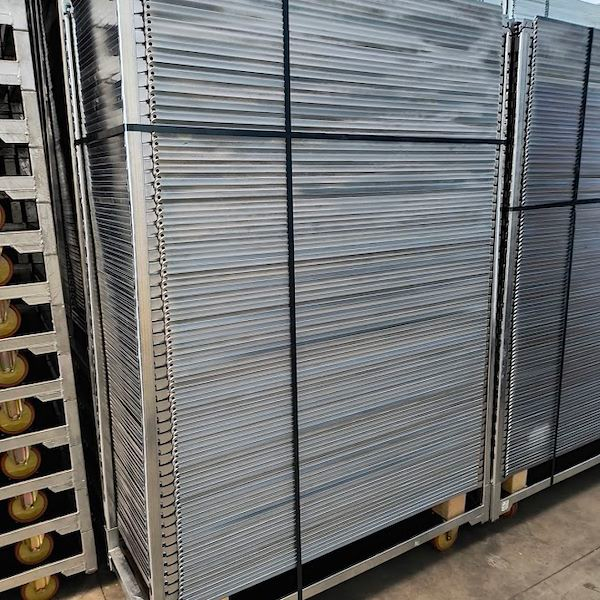
A plant cart like this works in more places than many buyers expect. CNFS Group highlights applications in flower markets, gardening shops, warehouses, logistics zones, propagation rooms, greenhouses, and nurseries. That range makes the trolley one of the most versatile trolleys in the sector.
Typical use points include:
The key point is this: the same danish cart can support growing, staging, shipping, and displaying plants and flowers. That reduces duplicate equipment and makes life easier for both operations and sales teams. For many buyers, that is where the real value starts.
When buyers search for trolleys for sale, price should not be the first filter. Start with fit. Ask what products you carry, how heavy they are, how wet the environment is, and whether the cart must also function as display equipment. Then review frame strength, shelf type, finish, wheel options, and shelf adjustability. CNFS Group offers customization on sizes, layers, colors, and load capacities, which is exactly what B2B buyers should compare.
It also helps to check the following:
If you handle heavy mixed orders, ask clearly about payload. Container Centralen lists a standard total load figure for CC Container systems, while CNFS Group’s trolley shelf page lists 40 kg per shelf on that product example. In other words, do not assume every trolley is identical. Match the product to your real work.
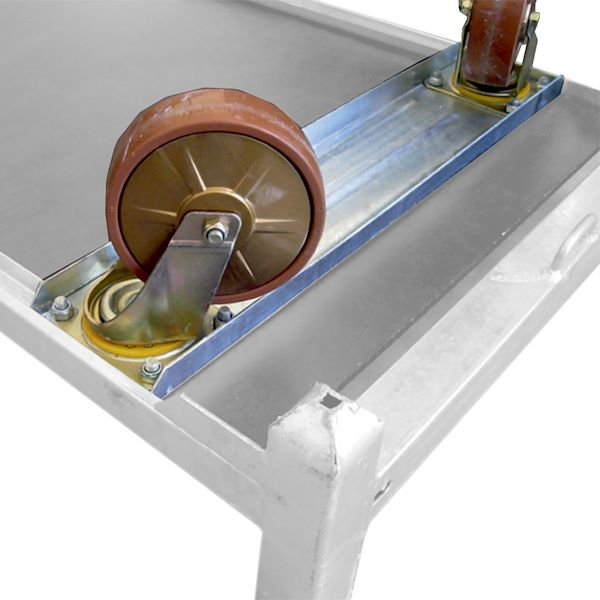
Factory-direct sourcing matters because it gives buyers more control over specs, lead time, and after-sales communication. CNFS Group says Fangsheng has been in business for over 10 years, exports to over 60 countries, and offers design, production, trade, and export services for flower trolleys and related products. The company also describes itself as a egyedi dán troli manufacturer in China.
That kind of positioning is useful for distributors, greenhouse operators, and project buyers who need stable volume and clear communication. A factory-based supplier can often support bulk orders, OEM changes, replacement parts, finish options, and packaging requests more effectively than a pure trader. CNFS Group also highlights custom production according to customer demand and full-service support across product use and customization.
If your goal is long-term purchasing, not a one-time shipment, that matters a lot. The best partner does not just sell a trolley. They help build a repeatable, scalable transport system for plants and flowers.
A danish trolley is used for moving, storing, and displaying flowers, trays, and potted plants in greenhouse, nursery, logistics, and retail environments. It combines a wheeled base, posts, and shelves in one reusable system.
Yes. CNFS Group and Container Centralen both describe these systems as suitable for shop or retail display as well as plant transport. That makes them useful for both back-end handling and front-end presentation in a garden center or garden centre.
Usually yes. CNFS Group says it offers customization for sizes, layers, colors, and load capacities, and it also shows multiple shelf and panel styles across its product range.
For many buyers, galvanized or hot-dip galvanized finishes are preferred because they are promoted for corrosion resistance and long-term use in humid greenhouse or nursery settings.
They are closely related and often discussed together. Container Centralen calls the CC Container the original Dán troli, while Royal FloraHolland describes CC containers as narrow roller containers primarily suited for transporting plants.
They let the grower place shelves at different heights for different crops, improve space usage, and reduce wasted air space during storage, transport, and retail display.
A custom danish trolley is a practical answer to a very real problem in the horticulture business: how to move more product with less labor, less damage, and better use of space. When built well, the system supports growing, staging, shipping, and display in one clean workflow.
For B2B buyers, the best choice is rarely the cheapest trolley. It is the one with the right structure, finish, shelf setup, and supplier support. If you are comparing danish trolleys for horticulture, focus on fit, customization, and long-term use. That is what makes a trolley truly valuable.


 Hungarian
  English
  German
  French
  Dutch
Dutch  Spanish
  Danish
  Norwegian
  Turkish