Évitez que votre demande ne tarde à répondre, veuillez saisir votre WhatsApp/Skype avec le message, afin que nous puissions vous contacter dans les plus brefs délais.
We will reply you within 24 hours. If for urgent case, please add WhatsApp/WeChat: +8613791936882 ,. Or call +86-18678911083 directly.
Weekends disappear under noise, fumes, and long walks behind a push tondeuse à gazon. The grass keeps growing; your free time doesn’t. A smart lawn mower for the main turf, plus a remote control lawn mower with tracks for slopes and brush, turns yard work into quiet automation.
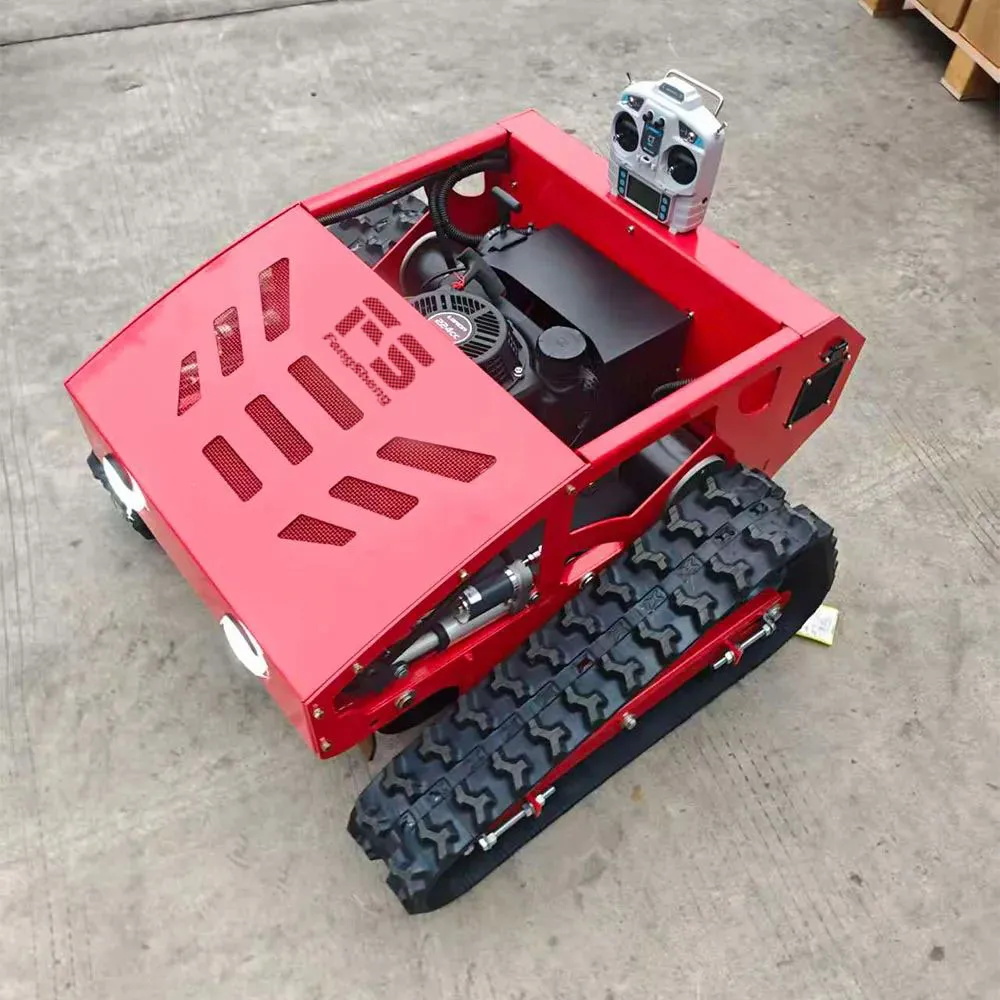
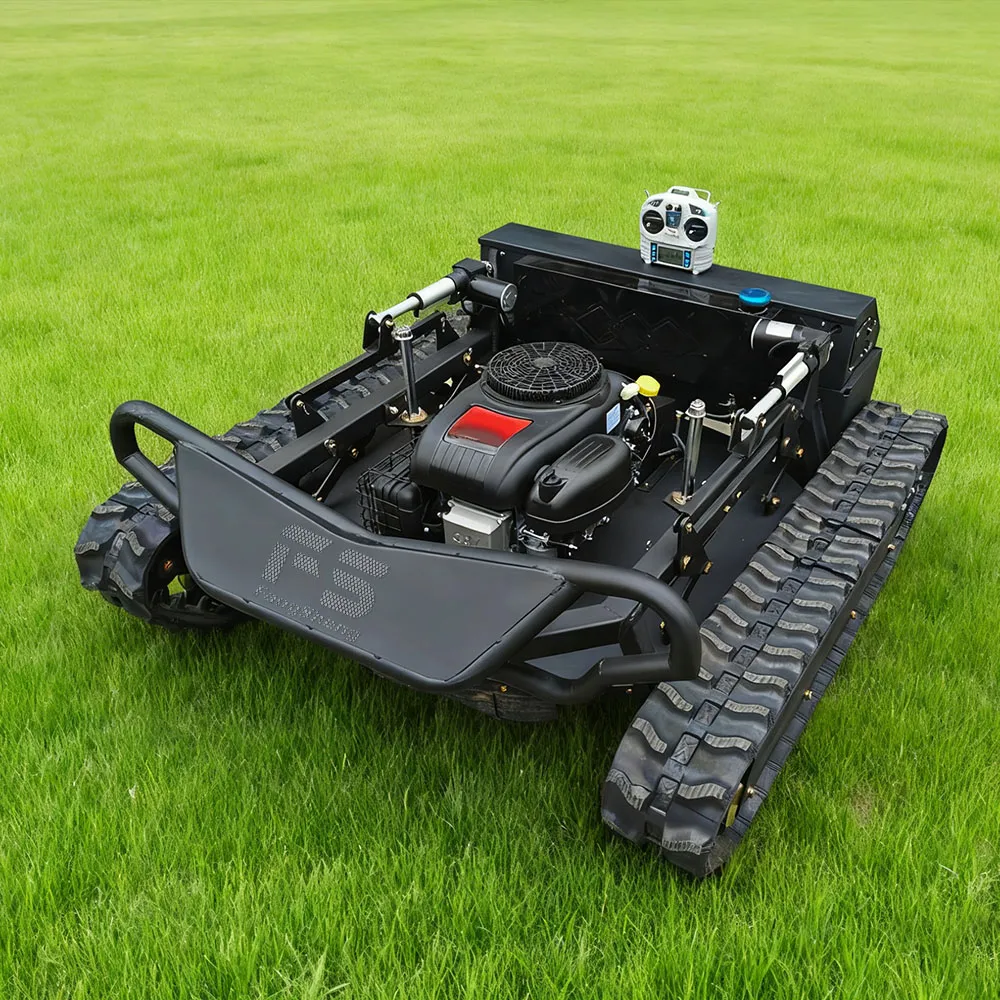
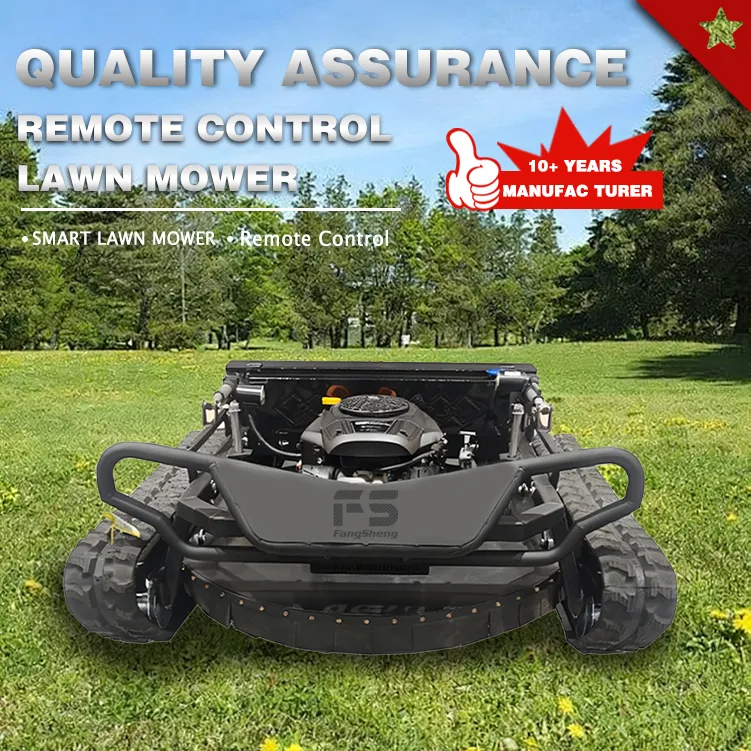
UN smart lawn mower—also called a robot tondeuse à gazon ou tondeuse à gazon robotisée—maps your lawn, follows boundary wire or wireless RTK/vision, mows little and often, and returns to a charging dock to recharge automatically. For banks, ditches, and rough weeds that exceed a robot’s safe slope or blade design, a tondeuse à gazon télécommandée (sometimes called a radio controlled mower, remote mower, or remote lawnmowers) keeps the operator at a safe distance while tracked undercarriage and low ground pressure maintain traction.
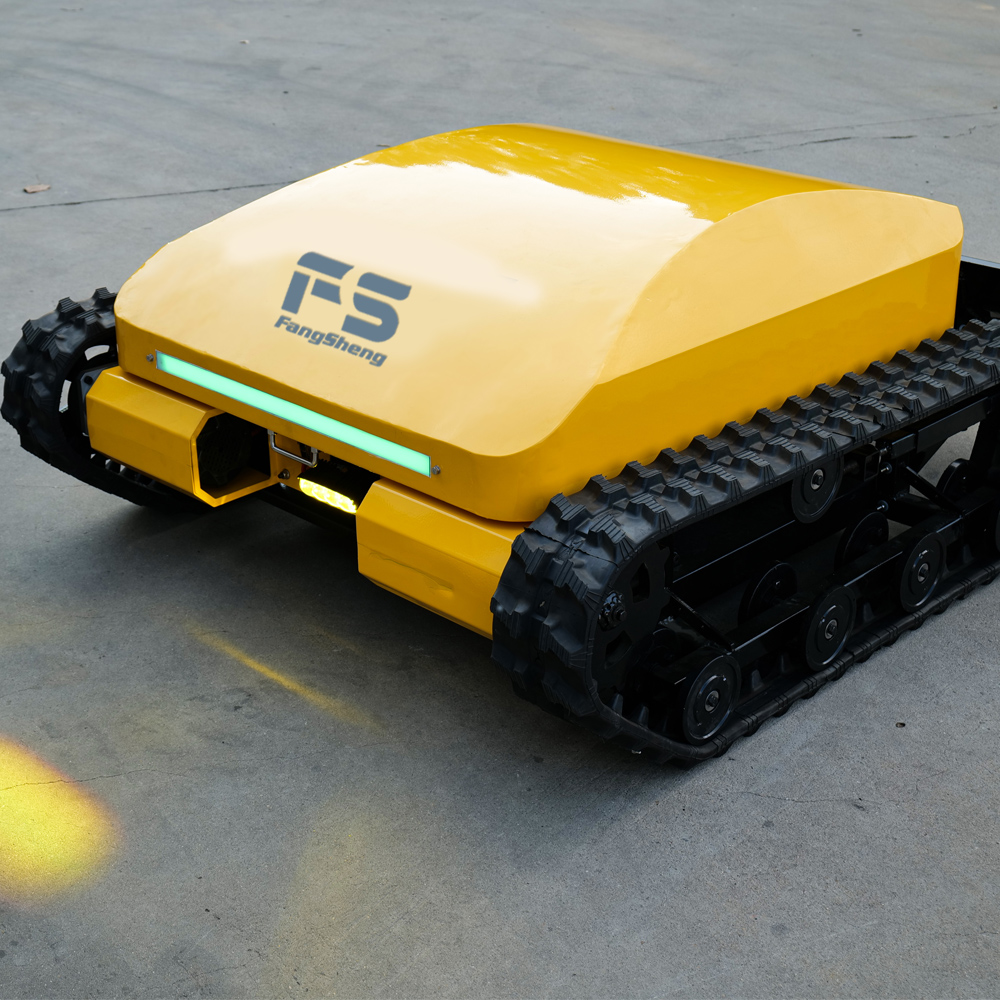
UN robot tondeuse à gazon trims a few millimeters per pass and maintains the turf at a steady height. It leaves the dock on a schedule, follows a navigation plan, avoids obstacles with sensors, and returns to charge. Boundary-wire systems place a thin perimeter cable along the edges of the garden; the lawnmower senses the loop and stays inside the boundaries of your yard. Wire takes an afternoon to install and proves reliable under trees and near sheds. Wireless guidance—often GPS rtk, visual SLAM, or lidar—can eliminate wires, draw near-perfect straight lines, and speed setup on open yards. In day-to-day life, owners appreciate the ultra-quiet sound profile, the way robots navigate back after rain, and the convenience of mowing schedules that keep the entire lawn presentable without weekend marathons.
For medium-sized lawns, prioritize efficient decks, balanced battery life, and a single charge session that finishes before quiet hours. On large lawns, deck width and route efficiency usually matter more than raw amp-hours; some owners prefer two shorter runs per day instead of one very long pass. If terraces and banked edges raise doubts, check slope ratings carefully and consider features all-wheel drive (awd) or grippier tires. When gradients or reed beds exceed a robot’s limits, the safer answer is a remote control lawn mower. Tracked variants—popularly nicknamed Tank Lawn Mower ou tondeuse à gazon à chenilles—use lawn mower tracks for uneven terrain and soft ground where wheeled mowers spin.
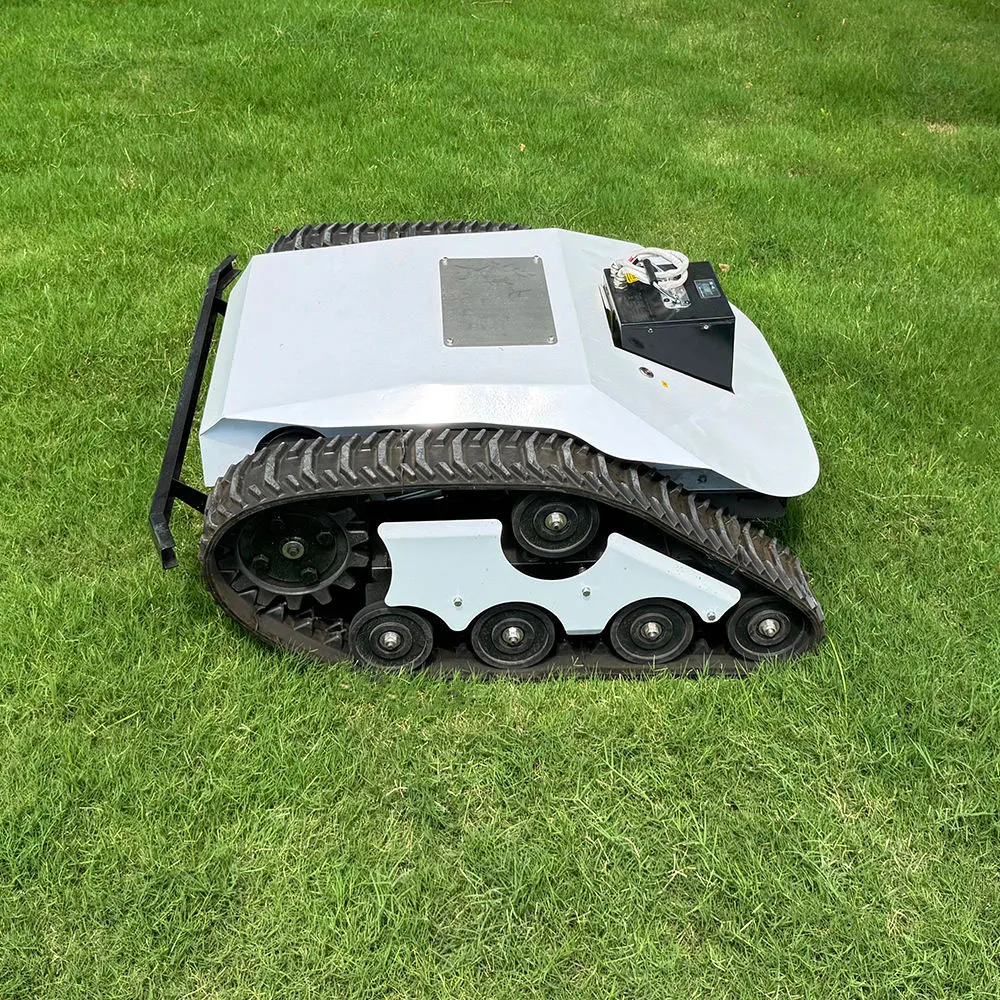
A neat finish comes from sharp blades, steady overlap, and consistent path planning. Razor blades offer clean cuts but require regular swaps; thicker blades tolerate twigs and grit but can stress fine turf if dull. Robots that mow more frequently leave micro-clippings that feed the soil; the mower cuts a little, often. On the R/C side, a remote control brush mower deck with heavier steel and torque clears bramble and saplings that would stall a consumer robot. When owners split the workload—robot for finish, tracked remote control mower for banks and brush—the whole property stays tidy with less human effort.
A neat finish comes from sharp blades, steady overlap, and consistent path planning. Razor blades offer clean cuts but require regular swaps; thicker blades tolerate twigs and grit but can stress fine turf if dull. Robots that mow more frequently leave micro-clippings that feed the soil; the mower cuts a little, often. On the R/C side, a remote control brush mower deck with heavier steel and torque clears bramble and saplings that would stall a consumer robot. When owners split the workload—robot for finish, tracked tondeuse à télécommande for banks and brush—the whole property stays tidy with less human effort.
Pensez à la robot tondeuse à gazon as the daily housekeeper and the remote control mower as the specialist for risky areas. The robot holds the height and creates the consistent finish on flat ground. The tracked tondeuse à gazon télécommandée steps in on ditches, pond edges, levees, and roadside banks, cutting safely while you stand clear with the handset. Property managers often purchase both: the robot maintains showpiece areas every day; the remote controlled grass cutter makes scheduled rounds on slopes and woody patches once a week or once a month.
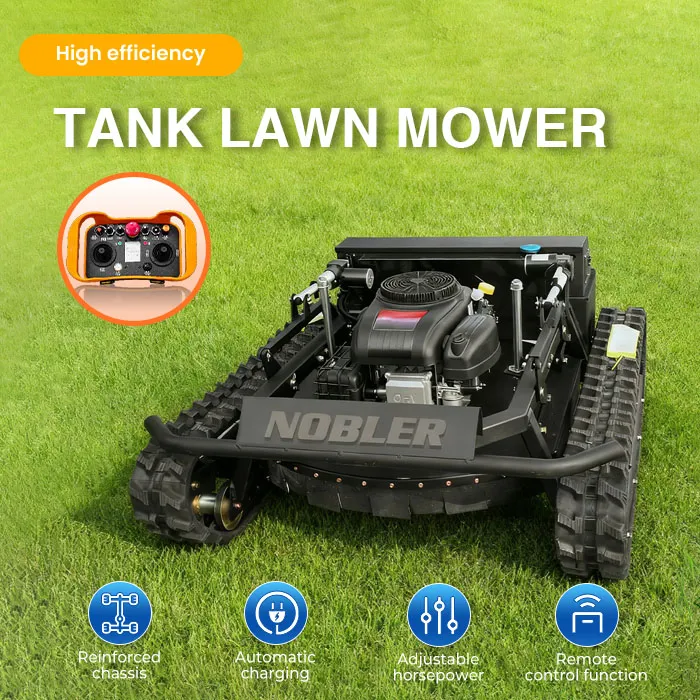
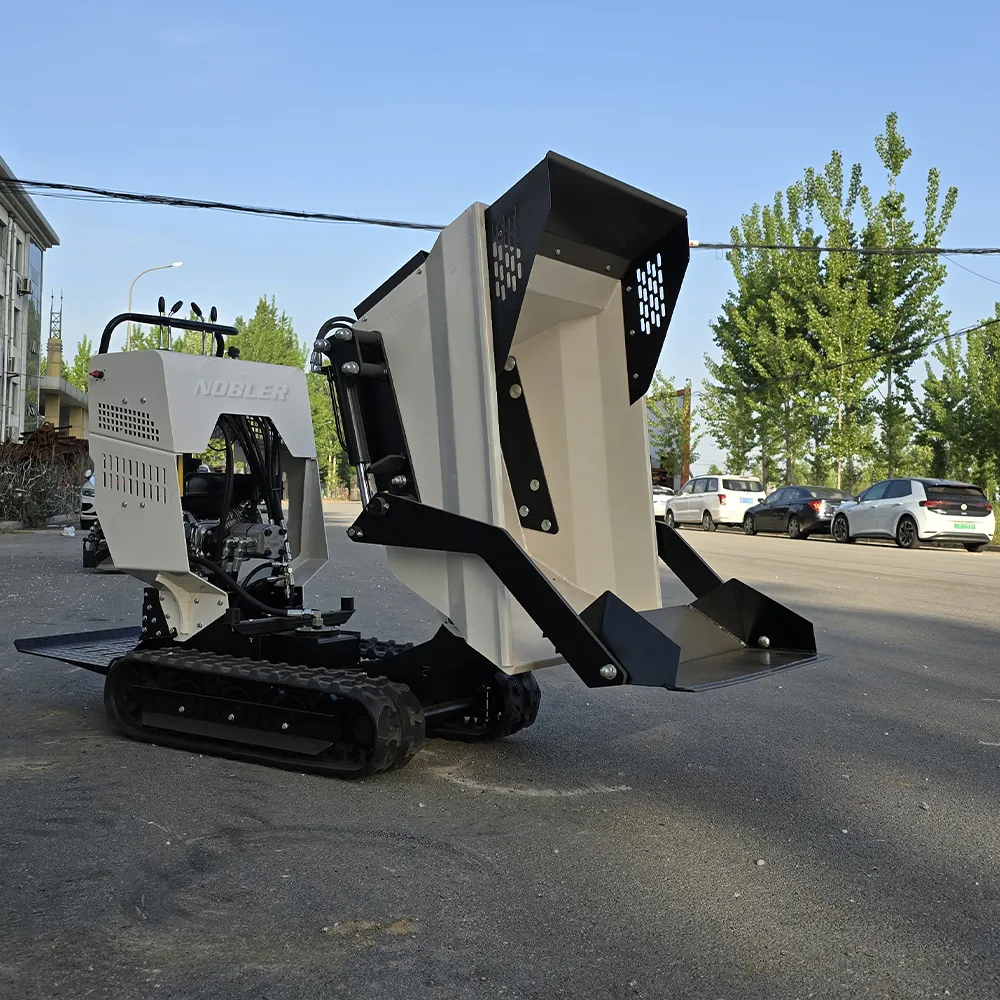
When you read spec sheets, focus on navigation stack, battery life, deck width, noise, slope rating, and reliability of the dock. For wire-free options, place the base station where sky view suits RTK. If you’re cross-shopping, remember that “remote control lawn mower,” “remote control mower,” “rc electric lawn mower,” et “radio controlled mower” often refer to similar products; the traction difference comes from tracks versus tires. If your bank stays wet, a crawler lawn mower with lawn mower tracks helps more than extra horsepower. On the transport side, match dumper payloads to the material you actually haul, not theoretical peaks, so cycles feel natural.
Do robot lawn mowers work under trees and around island beds?
Yes. With perimeter wire, you outline trees, beds, and ponds so the robot stays clear; in open yards, rtk or vision-based navigation system creates wire-free maps that maintain straight lines and reduce setup time.
When should I choose a remote control mower instead of a robot?
Pick a remote control crawler lawn mower for steep banks, ditches, reed beds, and brush where people shouldn’t walk behind machines. Use the robot for daily finish on flatter ground.
Will tracks damage my turf?
Used correctly, lawn mower tracks spread load and reduce rutting versus narrow tires. Mow when soil is firm, avoid tight spinning turns, and you’ll protect the surface.
How big a mower do I need for large lawns?
Size for area with 20–30% headroom and check slope. For large yards with banks, choose AWD robots or step to a tracked remote control lawn mower so traction and safety stay predictable.
Is setup difficult if I use boundary wire?
The process is straightforward: stake the wire, connect to the charging dock, test, and adjust corners. Wireless rtk setups install faster but need a suitable base station location and decent sky view.


 French
  English
  German
  Dutch
Dutch  Spanish
  Danish
  Norwegian
  Hungarian
  Turkish